Most plumbing materials are back to normal lead times — these aren't
Pipe and fittings have largely caught up since the supply shocks of the early 2020s. A narrower set of equipment is still the long pole on a schedule.
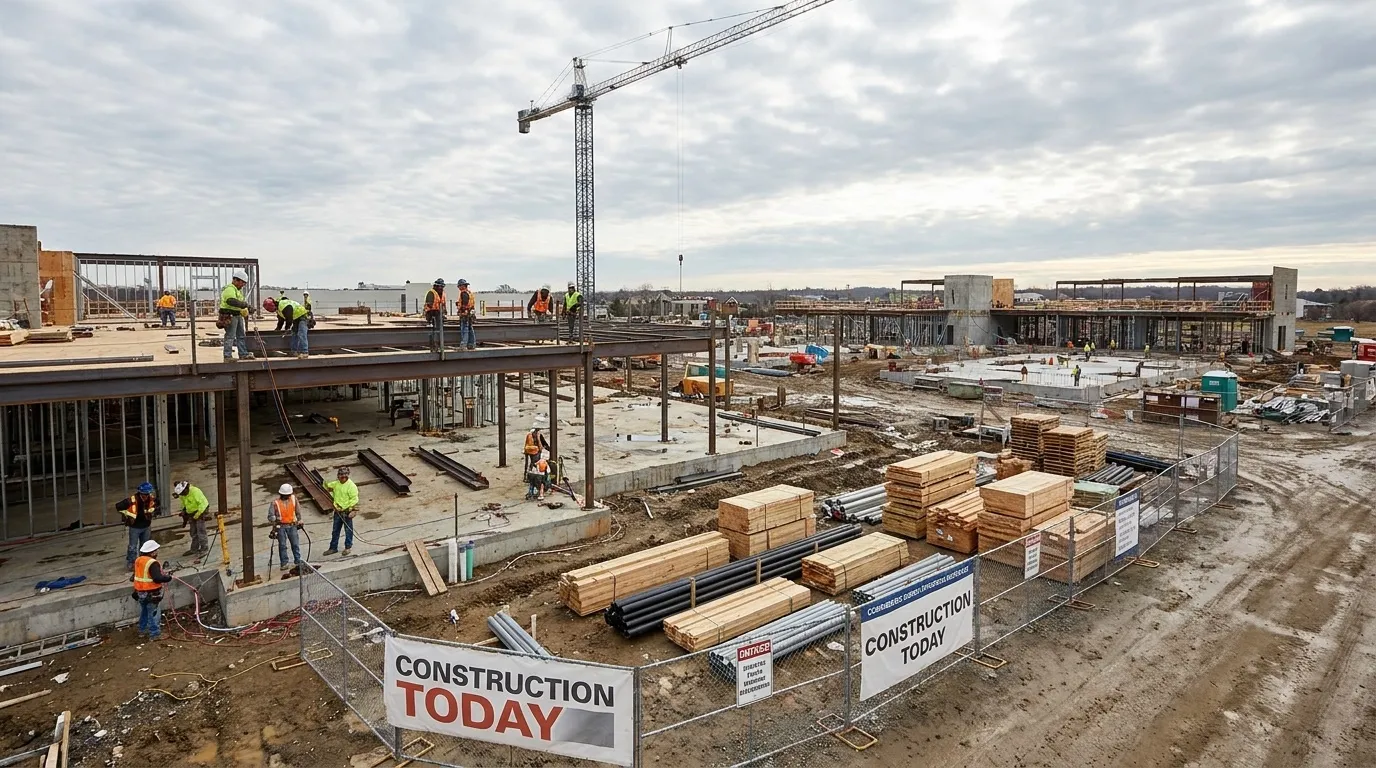
General materials availability for plumbing contractors has mostly normalized — standard copper, PVC, CPVC, and common fittings are back to pre-shortage lead times at most supply houses. The exception is a narrower band of equipment where lead times remain stretched, and knowing which items those are matters more than it used to, since they’re the ones now capable of stalling an otherwise on-track job.
What’s still backed up
Tankless and high-efficiency water heaters, certain commercial-grade backflow assemblies, and some specialty fixtures tied to water-efficiency compliance continue to run longer lead times at a number of manufacturers than the pipe and fittings around them. Demand for high-efficiency equipment tied to tightening efficiency codes in several states has absorbed a meaningful share of manufacturing capacity for these specific product lines, even while commodity materials have loosened up.
How this changes job scheduling
For jobs that include any of the above, ordering equipment at contract signing — rather than waiting until the point in the schedule where it would normally be installed — is increasingly the difference between a job finishing on time and a completed rough-in sitting idle waiting on a water heater. Some contractors are now tracking equipment order dates as a separate internal milestone from the installation date, specifically because the gap between the two has widened enough on certain products to matter.
Setting expectations with clients
Flagging long-lead equipment during the proposal stage — not after the contract is signed — avoids the conversation where a client assumes “ordered” means “arriving next week.” Giving a specific order date and delivery window sourced from the actual manufacturer or supply-house quote, rather than a general estimate, holds up better when a client asks why a job is waiting on a part.
A note on backflow assemblies specifically
Commercial backflow-prevention assemblies have seen some of the longer waits in this category, which is worth flagging early on any job that requires one — particularly since backflow testing and certification is its own separate compliance step that can’t start until the assembly is installed and operational.
Bottom line: most of the supply chain is fine. The few categories that aren’t — high-efficiency water heaters and certain backflow equipment chief among them — are large enough line items that getting their lead time wrong is what actually slips a schedule.