June 23, 2026
Your gas water heater catalog thins Oct 6 — stock up now
Plus: copper's ~5% bump, the 550K-plumber gap, and your real insurance baseline.
Morning, boss.
The DOE deadline is three months out: gas water heaters over 75,000 BTU/hr stop rolling off the line after Oct 6, 2026. Stock your common installs before the catalog thins. Copper's pricier too — spot sits above $4.49/lb.
Quick Bites
1. Code — California flips the switch July 1: every backflow tester needs state-recognized certification. No cert, no billable test.
2. Copper — Mills put a ~5% list price hike into effect, with spot above $4.49/lb — United Pipe's new sheet is live.
3. Tool — Plumbing dispatch platforms now run $299–$699/month across six ranked options.
4. Tactic — Commercial jobs pay net-30/45 — line up a working-capital cushion before payroll outruns your receivables.
5. Stat — $33B: the yearly cost of unmet plumbing demand. That's work passing your van.
Under the House Today
🚰 Licensing & Code — The DOE water heater deadline and California's backflow cert both land this fall.
🔧 Jobs Market — A 550,000-plumber gap by 2027 is your pricing power.
💻 Tech & Tools — Dispatch software at $299–$699/month — what the spend actually buys.
💰 Money — Your insurance baseline runs near $7,680/year. Know the bands before you renew.
The water heater you stock today won't ship after Oct 6
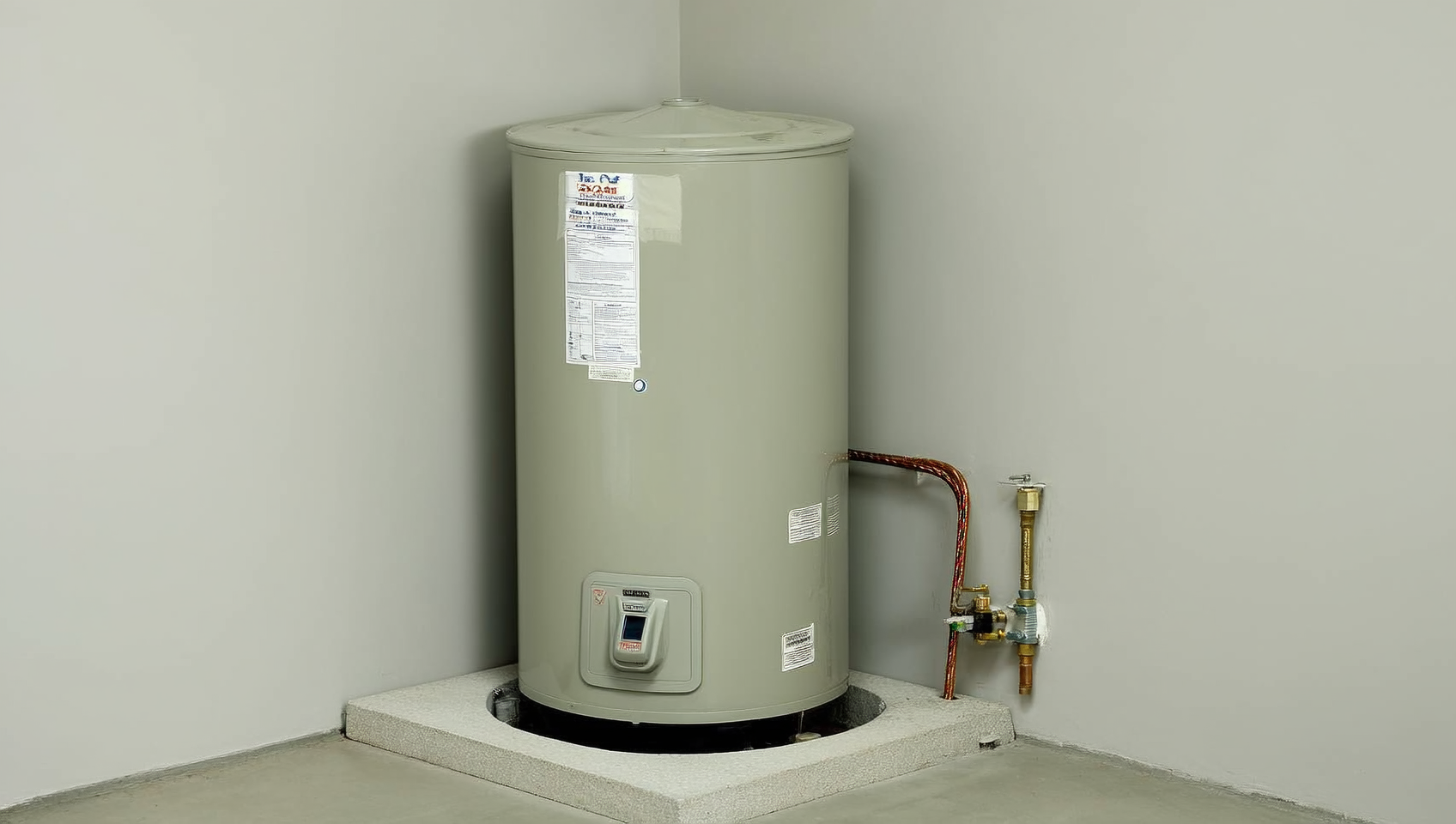
The DOE's new minimum efficiency standards retire high-input residential gas water heaters at the factory starting Oct 6, 2026 — three months out.
Why it hits your ticket margin:
- Efficiency floors jump. Gas storage min thermal efficiency goes 80%→95%, gas instantaneous 80%→96%, and residential-duty units must hit a UEF of 0.9297 (State Water Heaters' deadline guide).
- Big gas units disappear. Anything over 75,000 BTU/hr can't be manufactured after Oct 6 — distributor shelves are the supply after that.
- California adds a clock. Every backflow tester needs state-recognized certification by July 1 or they can't bill the test.
Bottom line: Pull forward your high-BTU gas SKUs now — after Oct 6, the distributor shelf is your only source.
550,000 plumbers short by 2027 — that's your pricing power
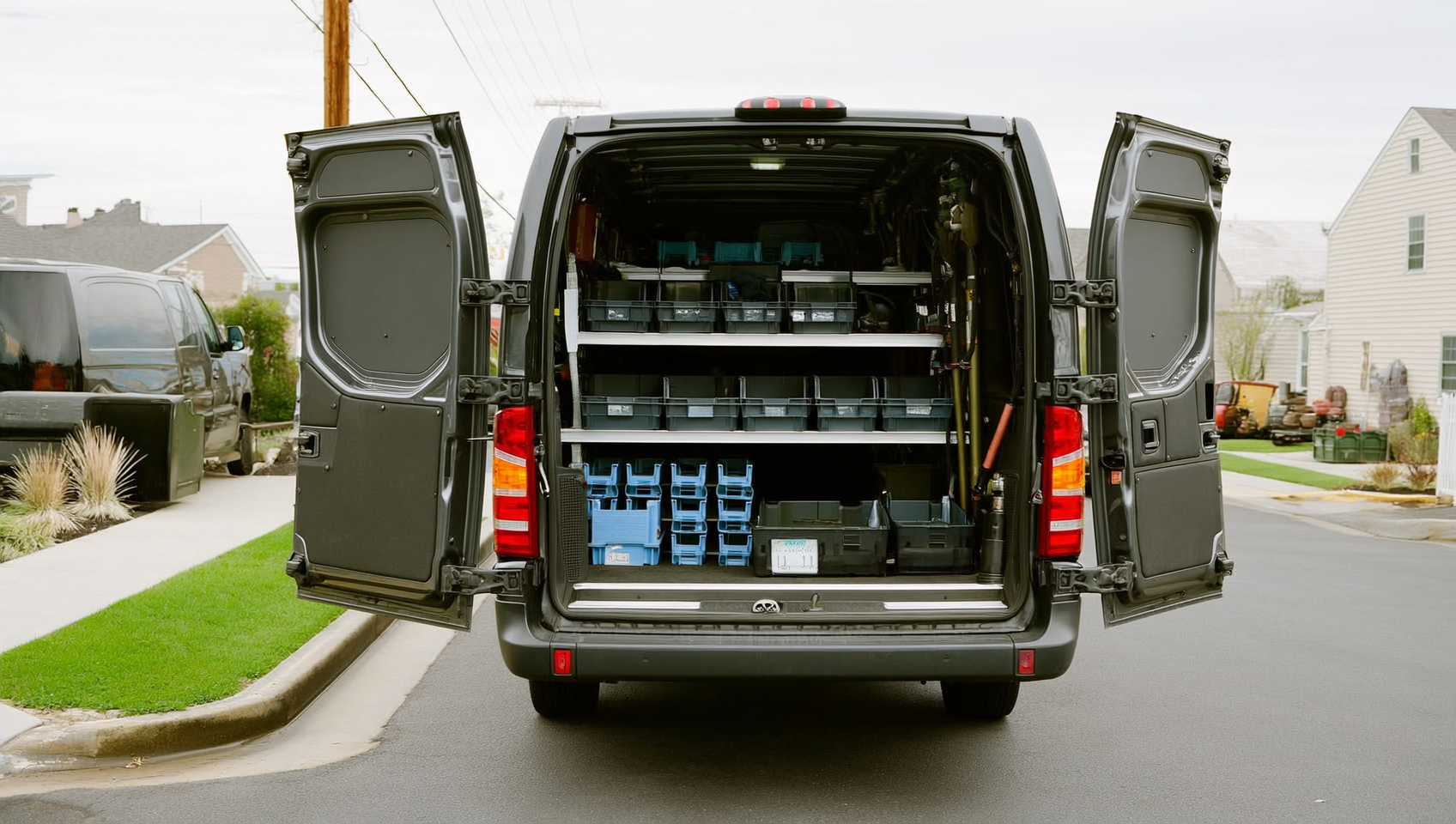
The trade can't fill the work: 55% of demand goes unmet, and the gap is projected to hit 550,000 plumbers by 2027.
Why it hits your call volume:
- $33B a year in unfilled demand is work walking past your van (the industry numbers).
- 44,000 new openings a year are coming over the next decade, with too few apprentices in the pipe to fill them.
- Scarcity sets the price. When every shop is booked, the discount plumber stops being your competition.
Bottom line: Raise your rates to match demand, triage toward high-margin calls, and protect your service area — the shortage is working for you.
Dispatch software runs $299–$699/month — match it to your truck count

Six plumbing dispatch platforms now sit in a $299–$699/month band, ranked on emergency response, multi-truck routing, and bundled CRM value.
Pick by shop size, not hype:
- 🔴 1–5 techs: Jobber and Housecall Pro cover scheduling, dispatch, and invoicing without the full-suite price (5-tool breakdown).
- 🔵 Multi-truck shops: FieldEdge and ServiceTitan add routing and CRM depth that earns the top of the $299–$699 range.
- Missed dispatch = lost ticket. The cheapest seat isn't the cheapest cost.
Bottom line: Match the tool to your truck count and price the subscription against the jobs it books — not the demo.
Your insurance baseline is ~$7,680/year — know the bands before you renew
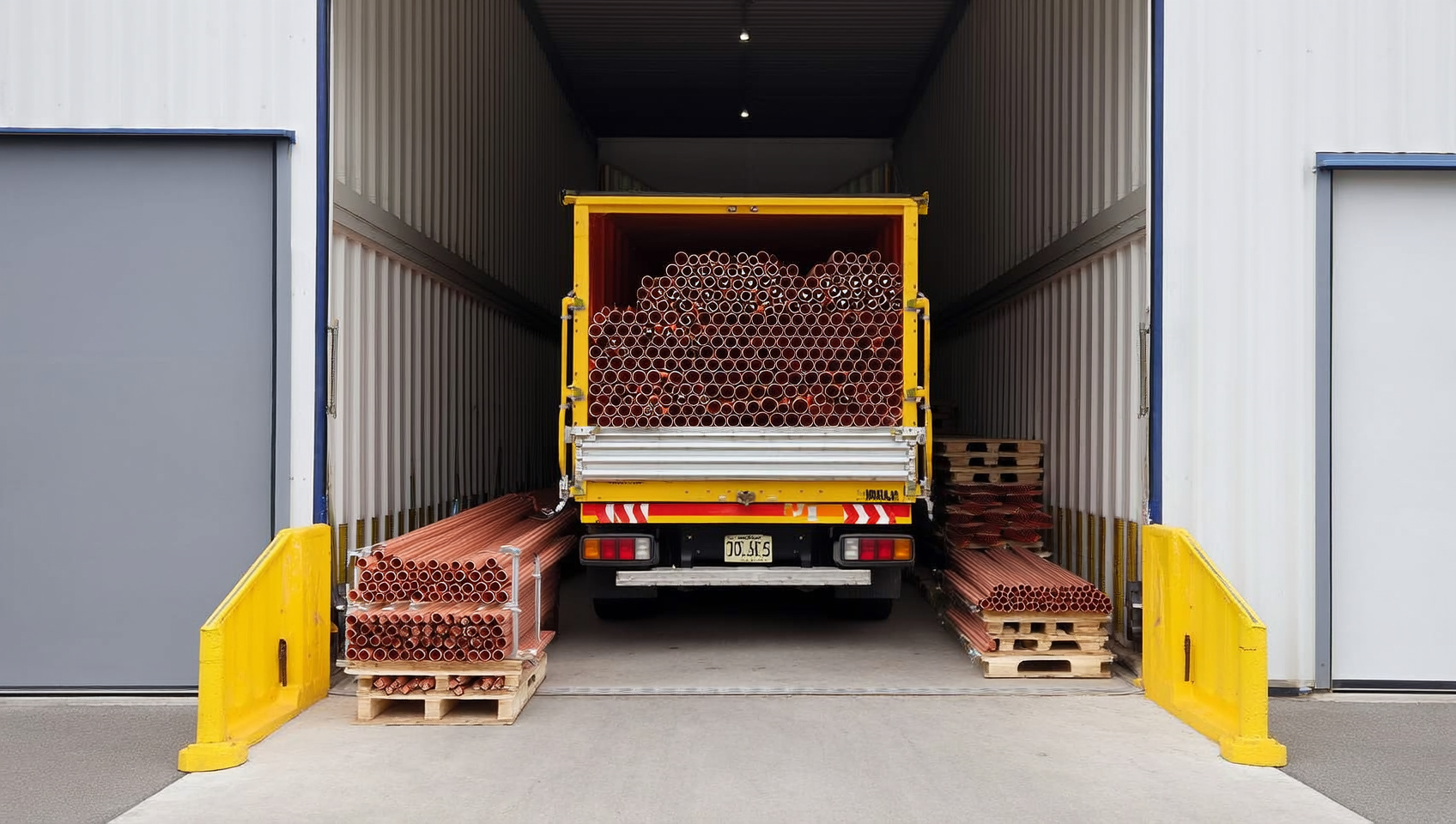
Plumbing shops are running about $275/month for workers' comp and $365/month for general liability — a combined baseline near $7,680/year.
Why it hits your ticket margin:
- 🔴 Workers' comp: ~$275/month (~$3,301/yr). The rate band runs $3.01–$4.51 per $100 of payroll — your job classification drives the bill (comp rate ranges).
- 🔵 General liability: ~$365/month (~$4,379/yr) on the MoneyGeek benchmarks.
- Cash flow: A working-capital line covers emergency parts and payroll float while commercial net-30/45 invoices sit.
Bottom line: Check your payroll classification before renewal — a misclass at $4.51 per $100 instead of $3.01 is real money on a full crew.
🧭 How to choose working capital for emergency-service plumbing jobs?
For a plumber floating parts inventory and technician payroll across ongoing emergency service calls, a revolving line of credit is the strongest structural fit: it stays open between jobs, costs only on drawn balances, and resets as commercial invoices clear — matching the lumpy, high-frequency cash-flow pattern of emergency dispatch work. Pair it with a contractor payroll line if payroll timing is a recurring standalone pressure point. Avoid anchoring to an MCA for routine working capital needs given the higher effective cost relative to revolving structures. Compare offers from multiple providers and review recourse and personal-guarantee requirements before committing.
💡 Bottom line: If your cash gaps are frequent and unpredictable across multiple emergency calls per week, use a revolving line of credit; for a single payroll crunch, use a contractor payroll line; for a one-time acute crisis where speed matters most, evaluate a fast-funding term loan.See all 5 compared →
Presented By
Cash flow is the job behind the job. The free Plumbers.news Working Capital Guide breaks down how to float emergency parts, cover payroll between net-30/45 commercial pays, and model a line-of-credit payment before you sign — in plain plumber English.
Steal the playbook the booked-solid shops use to keep the van stocked and the crew paid. It's on the house — reply 'GUIDE' and we'll send it over.
So You Don't Miss a Beat
- United Pipe's updated copper tube sheet
- 2026 HVAC and copper fitting price increases
- ContractorPlus's 2026 plumbing price playbook
- State Water Heaters' DOE deadline guide
- Pacific Backflow's California 2026 update
- Six dispatch platforms, ranked
- Clientility's 5 best plumbing software tools
- MoneyGeek's plumbing insurance benchmarks
Pipe Pulse
What's squeezing your shop most right now?
Useful Today?
Who We Are
Plumbers.news is published by The Plumbers Desk for licensed plumbers and small plumbing contractors. We cover the code changes, cost shifts, and business tools that hit your ticket margin — in a 5-minute read built for the cab of your van.
Plumbers.news is a marketplace, not a lender. Sponsor and vendor content is always labeled.